Roof prism - Binoculars
The prism in binoculars ensures that an inverted image is projected in an upright position. The prism also shortens the optical path, resulting in a sleeker and more compact construction.
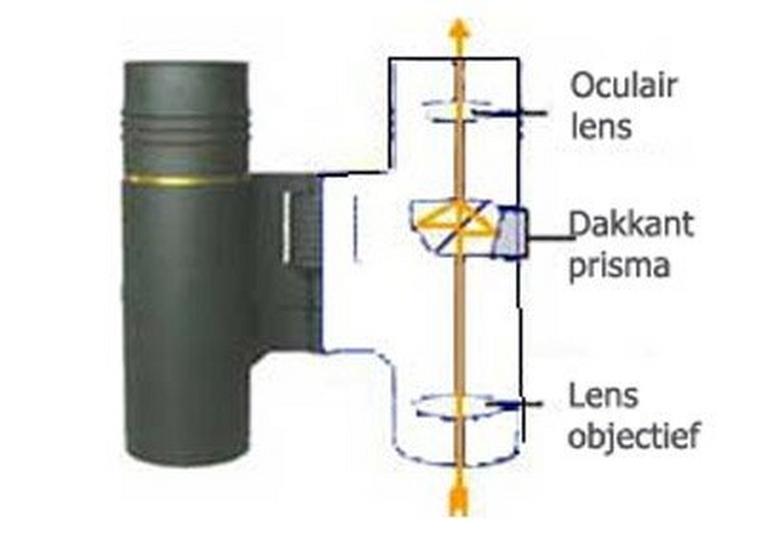
Roof prism binoculars are technically more complicated than Porro prism binoculars. The reason for this is that the prisms used in roof prism binoculars must be produced with exceptional care and they must also be of a higher quality than prisms used in Porro binoculars. Roof prisms also require top-quality coating.
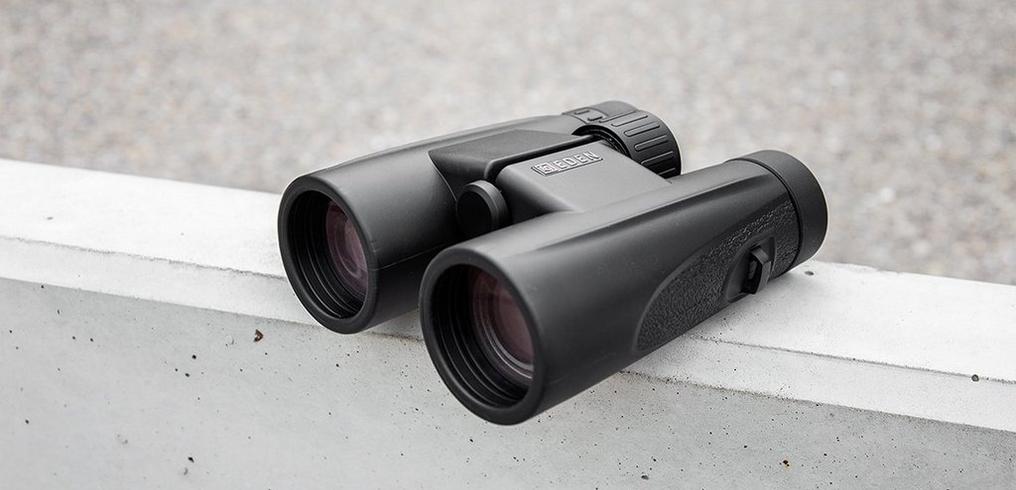
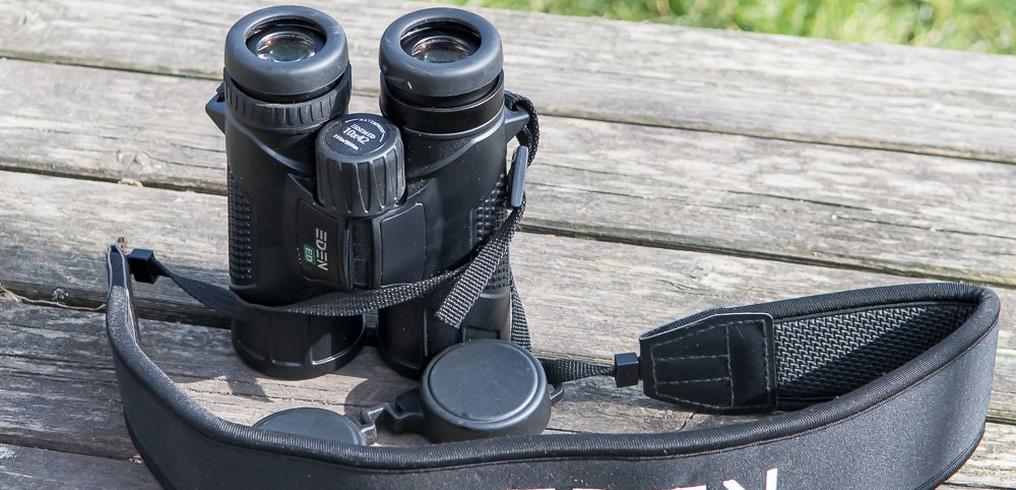
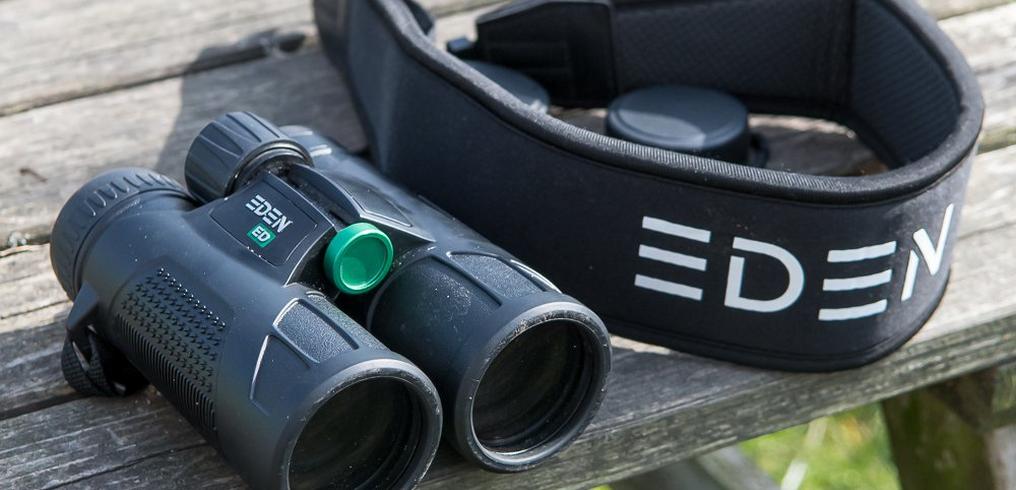
The advantage of binoculars with a roof prism is that they have straight tubes where the front or objective lens is in line with the rear or ocular lens, whereas binoculars with a Porro prism have tubes that are offset or not in alignment with each other. Roof prism binoculars are therefore more compact and easier to take along with you. It is also easier to seal them, making their internal lenses watertight and less susceptible to dust and damage.
Since the front objectives in roof prism binoculars are not out of alignment, as is the case with Porro binoculars, the perception of depth will be less than they would be with Porro binoculars.
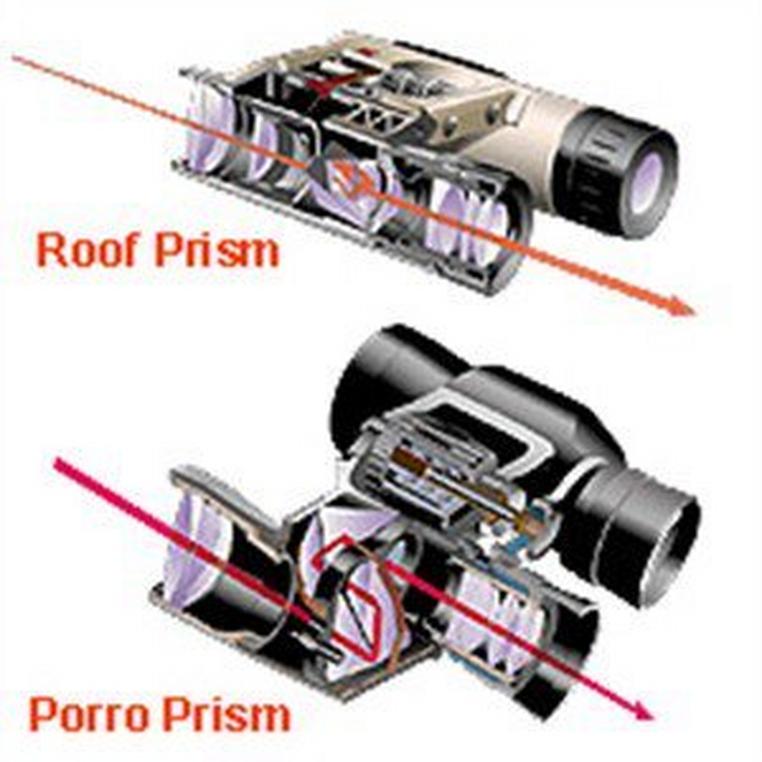
When using roof prism binoculars, focusing occurs by shifting a lens (group) in the binoculars. Conversely, focusing with Porro prism binoculars occurs when the ocular is moved. This results in 'changes in volume' taking place in the binoculars and the accompanying shifts in air (air transition), making it far more difficult to seal Porro prism binoculars to make them watertight and dust-free.
High-quality roof prism binoculars come equipped with a so-called phase coating, which corrects phase variations caused by the difference in the 'length of the path' the light has to travel in the prism. Phase coating ensures optimal contrast and maximum clarity and brightness op.